
Cervical Cancer Prevention and the Role of HPV Vaccine in India
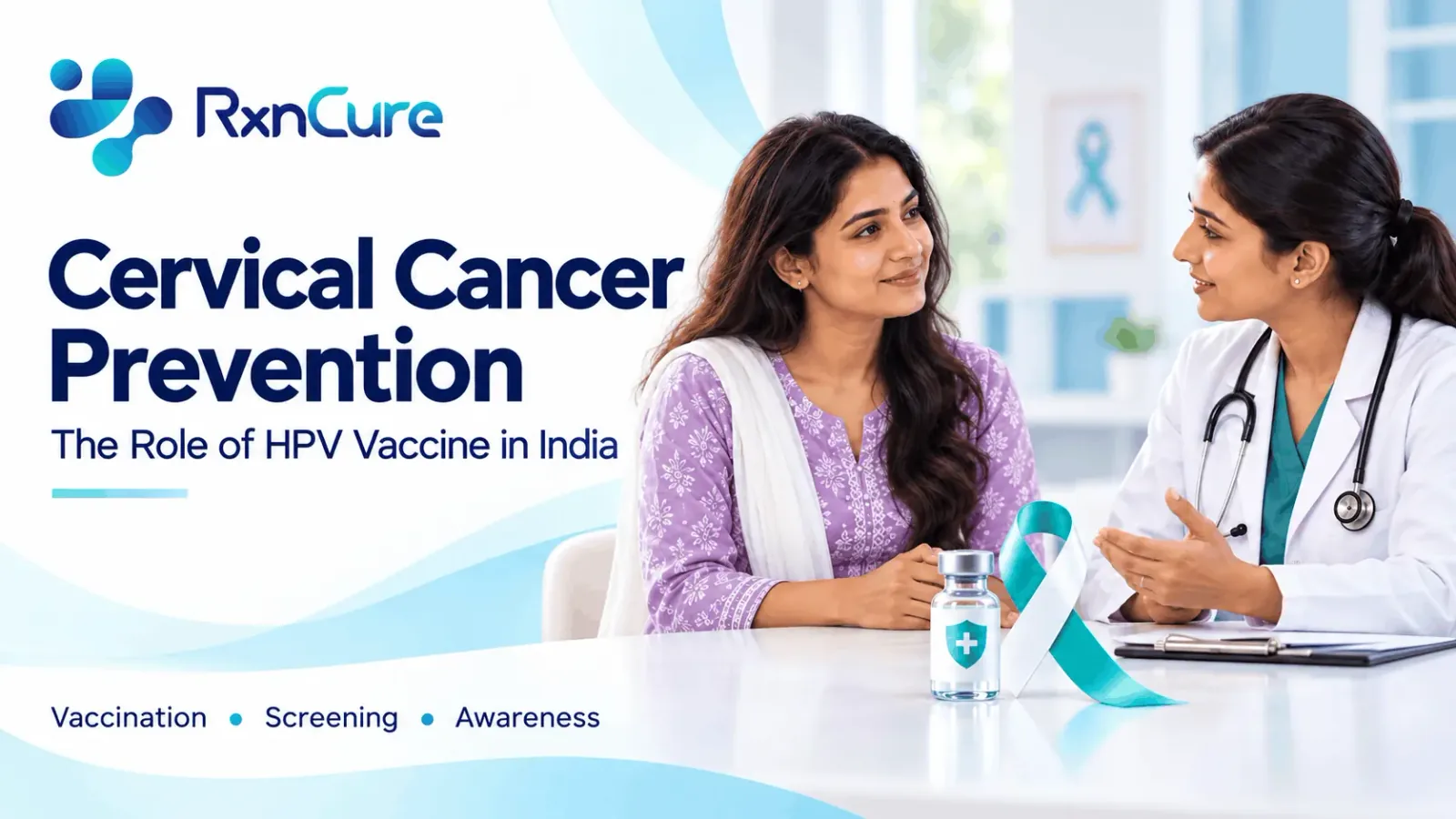
Cervical cancer, a significant health concern for women worldwide, has been particularly prevalent in India. However, recent advancements in medical science, especially the introduction of the Human Papillomavirus (HPV) vaccine, present a beacon of hope in the fight against this disease. This blog post delves into the importance of cervical cancer prevention and the critical role played by the HPV vaccine.
Table of Contents
Understanding Cervical Cancer
The Prevalence of Cervical Cancer in India
HPV and Cervical Cancer
The HPV Vaccine: A Game Changer
Vaccine Accessibility and Awareness
The Road Ahead
Understanding Cervical Cancer:
Cervical cancer arises from the cervix, the lower part of the uterus that connects to the vagina. Primarily caused by persistent infection with certain types of HPV, a sexually transmitted infection, cervical cancer can be insidious in its early stages, often showing no symptoms. However, regular screening and early detection can significantly improve treatment outcomes.
The Prevalence of Cervical Cancer in India:
India has witnessed a high incidence of cervical cancer, with a 2021 Lancet study highlighting it as having the highest cases in Asia that year. Annually, about 60,000 women in India lose their lives to this disease, and nearly 453 million Indian women aged 15 years and above are at risk.
HPV and Cervical Cancer:
HPV is a group of viruses, with specific types being linked to cervical cancer. The infection is common and often clears on its own. However, in some cases, it can lead to cervical cancer over time, emphasizing the need for preventive measures like vaccination.
The HPV Vaccine: A Game Changer
The introduction of the HPV vaccine marks a pivotal moment in the battle against cervical cancer. The indigenous vaccine, CERVAVAC, has been a breakthrough in India, offering affordability and effectiveness against four key HPV types responsible for the majority of cervical cancer cases. This vaccine, particularly effective when administered before the age of 15, offers almost 100% efficacy.
Vaccine Accessibility and Awareness:
Despite the availability of the vaccine, challenges remain in terms of accessibility and awareness. Ensuring that every eligible individual is aware and has access to the HPV vaccine is crucial. Efforts are needed to integrate the vaccine into public health programs and to educate the public about its benefits.
The Road Ahead:
With the advent of the HPV vaccine, India stands at the threshold of a new era in cervical cancer prevention. However, a coordinated effort involving government initiatives, healthcare providers, and public awareness campaigns is essential to fully harness the potential of this medical advancement.
In conclusion, the battle against cervical cancer in India has found a strong ally in the HPV vaccine. Its integration into healthcare strategies, combined with increased public awareness and regular screening, can significantly reduce the burden of this disease, heralding a healthier future for women in India.
- Cervical Cancer
- HPV Vaccine
- Cancer Prevention
- Women's Health
- India Health
- HPV
- Vaccination
- Public Health