
The Healing Powers of Ajwain (Carom Seeds): An Ayurvedic Digestive Aid
Introduction:
Ajwain, also known as Carom Seeds, is a prized herb in Ayurveda, renowned for its potent digestive and medicinal properties. This humble yet powerful spice, found in kitchens and medicine cabinets alike, has been an integral part of traditional Indian healing practices for centuries. In this article, we explore the multifaceted benefits and uses of Ajwain, shedding light on its significance in Ayurvedic remedies and modern health applications.
Ajwain in Ayurvedic Tradition:
Ajwain, or Carom Seeds, holds a special place in the Ayurvedic tradition, treasured for its potent medicinal properties and its role in promoting digestive health. In Ayurveda, the ancient holistic system of medicine from India, Ajwain has been used for centuries to balance the body and mind.
Historical Use: Ajwain has been a part of Ayurvedic medicine for centuries. Its mention in ancient texts underscores its longstanding use for health and wellness. It has been traditionally used to treat a wide range of ailments, particularly those related to the digestive system.
Ayurvedic Properties: In Ayurvedic terms, Ajwain is known for its Ushna (hot) potency, which helps in balancing Vata and Kapha doshas. Its pungent taste (Katu Rasa) and penetrating qualities make it effective in dispersing stagnation and stimulating the digestive fire (Agni).
Digestive Aid: One of the primary uses of Ajwain in Ayurveda is to aid in digestion. It is believed to stimulate the appetite and enhance digestion, making it a common remedy for indigestion, bloating, and gas.
Remedial Uses: Ajwain is also used in Ayurveda for its carminative, antispasmodic, and anti-inflammatory properties. It's a common ingredient in remedies for respiratory conditions, arthritis, and menstrual cramps.
Detoxification: Ajwain is thought to have detoxifying properties in Ayurvedic medicine. It's often used in cleansing the body, especially the digestive tract, of accumulated toxins (Ama).
Combination with Other Herbs: In Ayurvedic practices, Ajwain is often combined with other herbs and spices to enhance its effectiveness. It's a key ingredient in many Ayurvedic formulations, where it's used to balance other herbs' effects and to add its digestive properties.
The use of Ajwain in Ayurvedic tradition reflects its deep-rooted belief in natural, holistic healing. Its versatility in treating various health issues makes it a valued herb in the Ayurvedic pharmacopeia.
Botanical Insights into Ajwain:
Scientific Name: Trachyspermum ammi
Family: Apiaceae
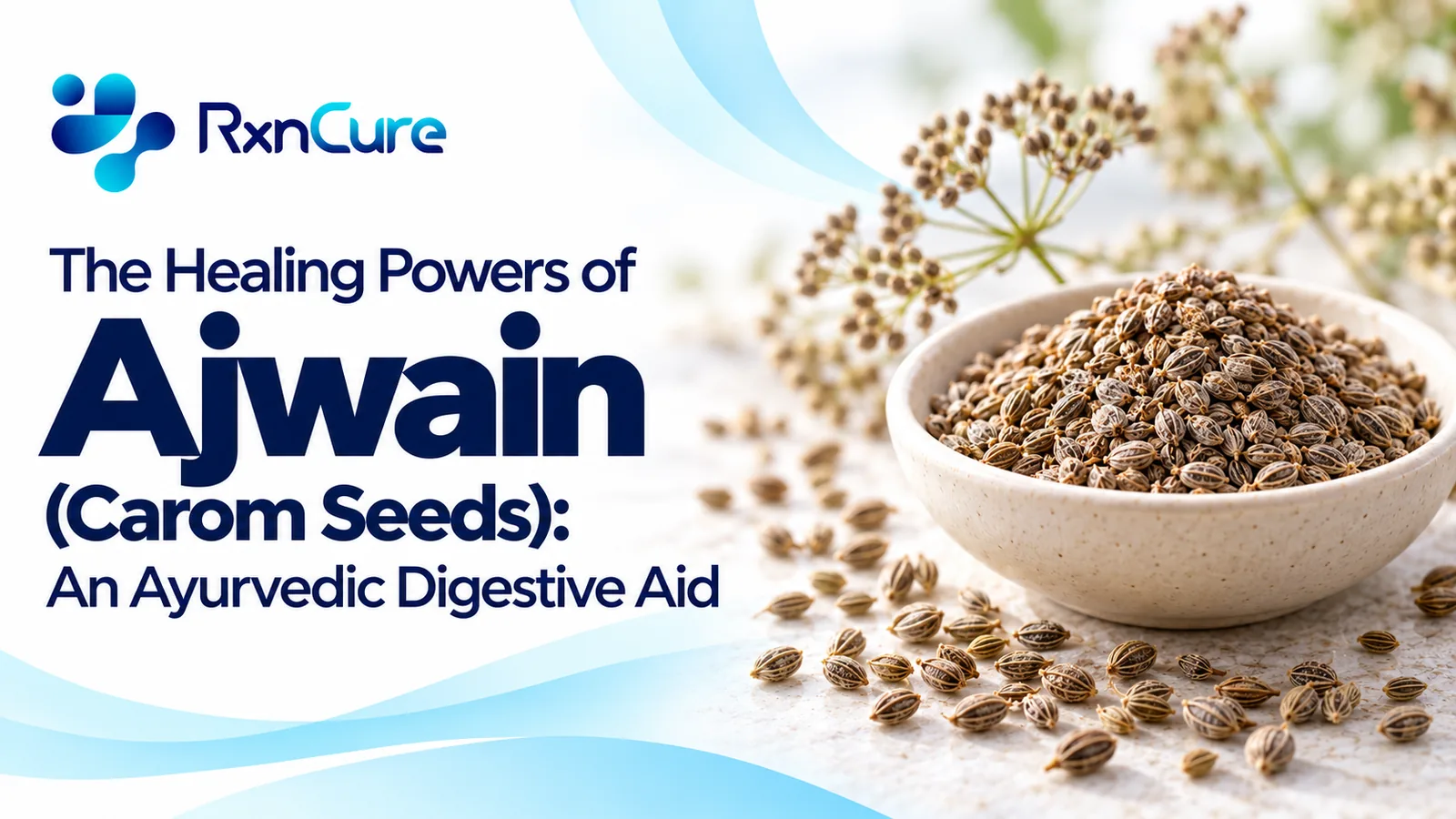
Description: A small, oval-shaped seed with a pungent, bitter taste
Cultivation: Predominantly grown in India and the Middle East
Health Benefits of Ajwain: Digestive and Beyond
Ajwain, renowned for its potent digestive benefits in Ayurvedic medicine, offers a wide array of health advantages that extend far beyond digestion. Its therapeutic properties make it a valuable herb in addressing various health concerns:
Digestive Health: Ajwain is most celebrated for its efficacy in improving digestive health. It enhances the secretion of gastric juices, aiding in efficient digestion, and is effective in relieving indigestion, bloating, and gas. Its antispasmodic properties help alleviate abdominal cramps and discomfort.
Respiratory Benefits: The herb is beneficial in treating respiratory conditions. Its expectorant properties aid in clearing mucus from the airways, making it useful in managing common colds, coughs, and bronchitis. Ajwain can also provide relief from asthma symptoms.
Antimicrobial Properties : Ajwain seeds possess strong antimicrobial and antibacterial properties, making them effective in combating infections and boosting immunity. This makes it a natural remedy for various bacterial and fungal infections.
Pain Relief: Due to its analgesic properties, Ajwain can help in reducing pain associated with arthritis and rheumatism. Ajwain oil, applied topically, can alleviate joint pain and muscle spasms.
Heart Health: Some studies suggest that Ajwain may have beneficial effects on heart health. It is known to help lower blood pressure and cholesterol levels, contributing to overall cardiovascular wellness.
Weight Management: Ajwain can also aid in weight loss. Its digestive properties can boost metabolism, helping in more efficient digestion and fat breakdown.
Menstrual Comfort: Women may find relief from menstrual discomfort and cramps by using Ajwain due to its antispasmodic properties.
Dental Health: The antibacterial properties of Ajwain seeds make them effective in combating tooth decay and improving oral health. Gargling with Ajwain water can help in reducing toothache and bad breath.
The health benefits of Ajwain, extending well beyond digestion, illustrate its versatility as a medicinal herb. Its wide range of therapeutic properties underscores its valuable role in natural healthcare and Ayurvedic medicine.
Incorporating Ajwain into Ayurvedic Remedies:
Commonly used as a spice in cooking for digestive benefits
Ajwain water or tea as a remedy for digestive ailments
Ajwain oil for external application to relieve joint pain
Ajwain in Modern Wellness Practices:
Ajwain, while deeply rooted in Ayurvedic tradition, has also carved a niche for itself in modern wellness practices. Its recognition in contemporary health circles is a testament to its versatile benefits and adaptability to various health and wellness needs.
Dietary Supplement: In the realm of dietary supplements, Ajwain is gaining popularity for its digestive benefits. It is often included in natural digestive aids and weight loss supplements due to its ability to enhance metabolism and aid in digestion.
Natural Remedy for Digestive Disorders: Modern naturopathy and holistic health practices often recommend Ajwain for its effectiveness in treating various digestive disorders, such as indigestion, gas, and bloating.
Incorporation in Culinary Practices: Beyond its medicinal use, Ajwain has found its way into modern kitchens as a flavorful and healthful spice. Its unique taste and digestive properties make it a popular addition to a variety of cuisines.
Essential Oil Uses: The essential oil derived from Ajwain seeds is used in aromatherapy and massage therapies. It is valued for its soothing properties and is believed to relieve stress, improve respiratory health, and ease muscular pains.
Use in Home Remedies: Ajwain is a common ingredient in many home remedies. For instance, Ajwain water is a popular homemade solution for digestive issues, and its paste is used to relieve aching joints.
Integration in Lifestyle Products: With an increasing focus on natural and organic products, Ajwain is being incorporated into a range of lifestyle products, including herbal teas, health drinks, and even skincare products for its antiseptic properties.
The adaptability of Ajwain in modern wellness practices highlights its enduring relevance. Its integration into contemporary health and wellness products further underscores the growing global recognition of traditional herbs and their natural healing powers.
Common Questions About Ajwain:
Ajwain, with its distinct flavor and wide range of health benefits, often raises questions about its use and effectiveness. Here are some frequently asked questions about Ajwain (Carom Seeds) to help clarify its benefits and uses:
How does Ajwain aid in digestion?
Answer: Ajwain stimulates the secretion of gastric juices, aiding in efficient digestion. It helps to alleviate indigestion, bloating, and gas due to its carminative properties, and its antispasmodic action can relieve abdominal cramps and discomfort.
Can Ajwain help in weight loss?
Answer: Yes, Ajwain can aid in weight loss by enhancing the body's metabolism. Its digestive properties help in the better breakdown and assimilation of food, thereby preventing the accumulation of fat.
Is Ajwain safe for everyone?
Answer: Ajwain is generally safe for most people when consumed in moderate amounts. However, pregnant women and people with certain health conditions should consult a healthcare provider before consuming it, especially in medicinal quantities.
How can Ajwain be used to treat colds and coughs?
Answer: Ajwain has expectorant properties, making it effective in loosening mucus and phlegm. Inhaling steam infused with Ajwain or drinking Ajwain-infused water can provide relief from cold and cough symptoms.
Are there any side effects of consuming Ajwain?
Answer: While Ajwain is safe when taken in culinary amounts, excessive consumption can lead to heartburn, indigestion, or dizziness in some individuals. As with any herb, moderation is key.
How can Ajwain be incorporated into daily diet?
Answer: Ajwain can easily be included in the daily diet as a spice in cooking. It can be added to dough for bread or parathas, sprinkled over salads, or used in seasoning soups and curries.
Conclusion:
Ajwain's remarkable digestive benefits and its role as a natural remedy for various ailments highlight the wisdom of Ayurveda. Embracing Ajwain in our daily lives, whether in cooking or as a natural treatment, can significantly contribute to our overall health and well-being.
- Ajwain
- Carom Seeds
- Digestive Health
- Ayurvedic Remedies
- Natural Digestive Aid
- Health Benefits of Ajwain
- Home Remedies
- Nutrition
- Herbal Medicine