
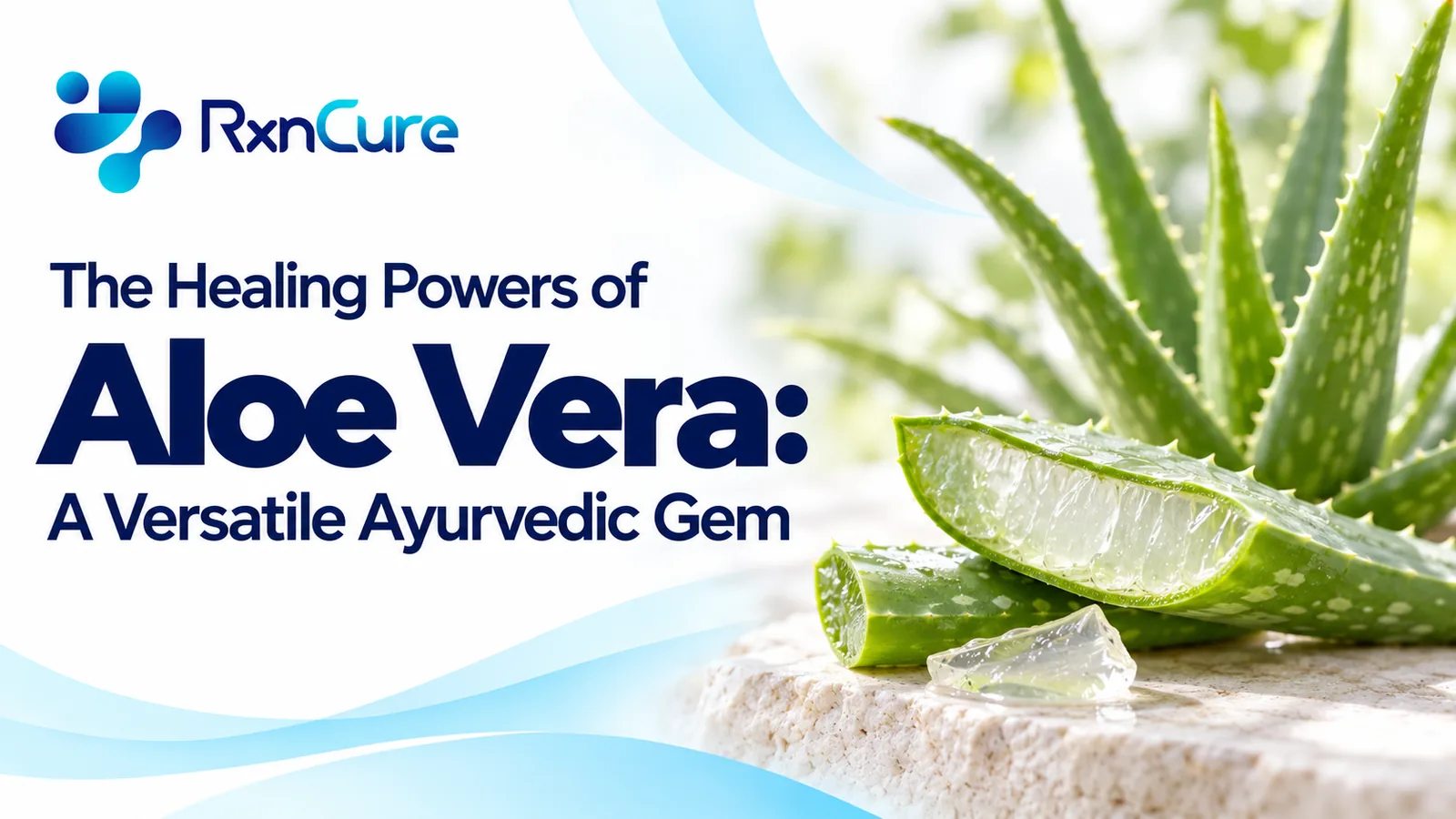
The Healing Powers of Aloe Vera: A Versatile Ayurvedic Gem
Introduction:
Embark on a journey through the ancient world of Ayurveda with Aloe Vera, a plant that has stood the test of time as a symbol of healing and rejuvenation. This versatile herb, known scientifically as Aloe barbadensis miller, has been celebrated for centuries in various traditional medicine systems, particularly in Ayurveda, for its myriad health benefits. Aloe Vera is much more than just a household plant; it's a reservoir of healthful properties, offering solutions for skin care, digestive health, and overall wellness. In this article, we will uncover the secrets of Aloe Vera, exploring its therapeutic values, applications in both traditional and modern medicine, and its role as a cornerstone in natural health and skincare. Join us as we delve into the world of Aloe Vera, understanding why this plant is not just an Ayurvedic treasure but also a modern-day super herb.
Aloe Vera: A Staple in Ayurvedic Healing
Aloe Vera, known in Sanskrit as "Kumari," has long been a cornerstone in Ayurvedic medicine, revered for its extensive healing properties. This remarkable plant has been used for thousands of years in India and other parts of the world for its health-enhancing benefits. In Ayurveda, Aloe Vera is not just valued for its soothing and healing abilities but also for its capacity to balance the three doshas – Vata, Pitta, and Kapha – which are central to Ayurvedic principles of health and disease.
Ancient Use in Ayurveda: Historically, Aloe Vera has been used in Ayurvedic practices for its diverse therapeutic properties. It's mentioned in ancient texts for its benefits in treating wounds, improving skin health, and aiding in digestion.
Versatile Healing Properties: The gel inside Aloe Vera leaves is rich in vitamins, minerals, amino acids, and antioxidants. It's known for its anti-inflammatory, antiseptic, and laxative properties. This makes Aloe Vera highly effective in treating burns, acne, and other skin conditions, as well as in promoting digestive health.
Holistic Approach to Wellness: Ayurveda recognizes Aloe Vera as a holistic remedy that not only addresses physical ailments but also contributes to overall well-being. Its cooling properties make it particularly beneficial for balancing Pitta dosha, which is associated with heat and metabolism in the body.
Aloe Vera in Ayurvedic Preparations: In Ayurvedic formulations, Aloe Vera is often combined with other herbs to enhance its efficacy. It is used in various forms, including fresh juice, gel, and as an ingredient in Ayurvedic medicines and skin care products.
The significance of Aloe Vera in Ayurvedic healing is profound and multi-dimensional. Its ability to heal, soothe, and rejuvenate makes it a go-to herb for a wide range of health issues, aligning with Ayurveda's emphasis on natural, holistic healing.
Understanding Aloe Vera: Botanical Profile
Aloe Vera, often hailed as the "plant of immortality" in various cultures, has a rich botanical profile that contributes to its wide range of health benefits. Understanding its botanical aspects can provide deeper insights into why this plant is so revered in herbal medicine, particularly in Ayurveda.
Scientific Classification:
Scientific Name : Aloe barbadensis miller
Family : Asphodelaceae
Genus : Aloe
Plant Description:
Aloe Vera is a succulent plant, characterized by its thick, fleshy leaves that store water.
The leaves are green to grey-green in color, with some varieties showing white flecks on their upper and lower stem surfaces.
The margin of the leaf is serrated and has small white teeth.
Growth and Cultivation:
Aloe Vera is native to the Arabian Peninsula but now grows wild in tropical, semi-tropical, and arid climates around the world.
It thrives in well-drained, sandy soil and requires minimal water, making it a resilient plant suited for dry conditions.
It's commonly cultivated for agricultural and medicinal purposes and is also popular as an indoor plant due to its low maintenance and air-purifying qualities.
Active Constituents:
The Aloe leaf contains three layers: an inner clear gel, a middle layer of latex, and an outer thick layer of the skin.
The inner gel is rich in water, vitamins (A, C, E, and B12), minerals, enzymes, amino acids, and antioxidants like beta-carotene.
The latex layer contains compounds like aloin and barbaloin, known for their laxative effects.
Harvesting and Processing:
The leaves are harvested by cutting them at the base, and the gel is extracted from the inner part of the leaves.
Care is taken to minimize the mixing of the inner gel with the outer latex to avoid the laxative effect.
This botanical profile of Aloe Vera not only illustrates its adaptability and resilience as a plant but also sheds light on its rich composition, which makes it an invaluable resource in traditional and modern healing practices.
The Multifaceted Health Benefits of Aloe Vera:
Aloe Vera, with its broad spectrum of health benefits, has been a subject of admiration in the realm of natural healing. Its multifaceted benefits span across various aspects of health and wellness, making it a valuable herb in both traditional and modern medicinal practices.
Skin Care and Healing: Aloe Vera is extensively used in skin care due to its moisturizing, anti-inflammatory, and healing properties. It's effective in treating burns, sunburns, cuts, and other skin irritations. The gel's cooling effect soothes inflammation and accelerates skin regeneration.
Digestive Health: Internally, Aloe Vera can aid in improving digestive health. It has natural laxative properties that can help in relieving constipation. Additionally, its anti-inflammatory and soothing properties are beneficial in conditions like irritable bowel syndrome (IBS) and acid reflux.
Immune System Booster: The plant is a powerhouse of antioxidants which fight free radicals in the body, thereby enhancing the immune system. Its antiviral and antibacterial properties also contribute to safeguarding the body against various infections.
Nutrient Rich: Aloe Vera is a rich source of vitamins (A, C, E, and B12), minerals, enzymes, and amino acids, which are essential for overall health. These nutrients contribute to better skin health, improved digestion, and enhanced nutrient absorption.
Blood Sugar Regulation: Some studies suggest that Aloe Vera can help in lowering blood sugar levels, making it a potentially beneficial supplement for people with diabetes. However, this should be approached with caution and under medical supervision.
Anti-Aging Properties: Aloe Vera's high content of vitamins and antioxidants makes it beneficial for combating signs of aging on the skin. Its hydrating properties improve skin elasticity and reduce the appearance of wrinkles.
Hair Health: In addition to its skin benefits, Aloe Vera is known for its role in promoting healthy hair and scalp. It can alleviate scalp conditions like dandruff, provide deep moisturization to the hair, and promote hair growth.
The health benefits of Aloe Vera are indeed varied and impressive, reflecting its role as a versatile and potent natural remedy. Its applications in enhancing overall health and wellness make it a valuable addition to any natural health regimen.
Incorporating Aloe Vera into Ayurvedic Remedies:
Aloe Vera, with its extensive history in Ayurvedic medicine, can be integrated into various remedies and treatments for a holistic approach to health:
Ayurvedic Formulations: Aloe Vera is used in several Ayurvedic formulations for its rejuvenating and balancing properties. It's often combined with other herbs to enhance its efficacy.
Digestive Health: In Ayurveda, Aloe Vera juice is commonly used to promote healthy digestion, soothe stomach lining, and alleviate constipation.
Skin Care: Aloe Vera gel is applied topically for its soothing and healing properties, particularly in cases of burns, cuts, and skin irritations.
Detoxification: Known for its detoxifying qualities, Aloe Vera helps in cleansing the body and promoting liver health.
Balancing Doshas: Aloe Vera is particularly effective in balancing Pitta dosha due to its cooling properties, but it also helps in regulating Vata and Kapha doshas.
Aloe Vera in Modern Health and Skincare:
In contemporary wellness and beauty regimes, Aloe Vera has found a prominent place due to its versatile health benefits:
Natural Skincare: Aloe Vera is a staple in natural skincare products, used for hydrating, nourishing, and soothing the skin. It's found in moisturizers, face masks, and serums.
Health Supplements: As a nutritional supplement, Aloe Vera juice is popular for its health benefits, particularly for digestive health and immune support.
Hair Care Products: Leveraging its nourishing properties, Aloe Vera is incorporated in shampoos, conditioners, and hair masks to promote scalp health and hair growth.
Soothing Topical Treatments: Its gel is widely used for its immediate soothing effect on burns, sunburns, and insect bites.
DIY Remedies: Aloe Vera's ease of use makes it a popular choice for homemade remedies, whether for skincare, haircare, or internal wellness.
Both in traditional Ayurvedic medicine and modern health and skincare, Aloe Vera's multifunctional nature makes it an invaluable herb for natural healing and rejuvenation.
Common Questions About Aloe Vera:
Aloe Vera, known for its wide-ranging benefits, often brings up various questions about its usage, effectiveness, and safety. Here are some common questions answered to enhance your understanding of this versatile plant:
Can Aloe Vera gel be applied directly to the skin?
Answer: Yes, Aloe Vera gel can be applied directly to the skin. It's beneficial for soothing burns, moisturizing dry skin, and treating minor cuts and abrasions. However, it's always advisable to do a patch test first to check for any allergic reactions.
How does Aloe Vera benefit digestive health?
Answer: Aloe Vera juice has natural laxative properties that can aid in digestion and relieve constipation. Its anti-inflammatory properties also help soothe the gastrointestinal tract, making it beneficial for conditions like acid reflux and IBS.
Is it safe to consume Aloe Vera juice?
Answer: While Aloe Vera juice is generally safe for consumption, it's important to use products specifically meant for internal use. Overconsumption or prolonged use of Aloe Vera juice, especially those containing aloin, can lead to side effects like electrolyte imbalances.
Can Aloe Vera help in treating acne?
Answer: Aloe Vera's anti-inflammatory and antimicrobial properties make it effective in treating acne. It can help reduce redness and inflammation and accelerate the healing of acne-related skin lesions.
Are there any side effects of using Aloe Vera?
Answer: Aloe Vera is usually safe when used as recommended. However, topical application may cause skin irritation in some individuals, and oral consumption can lead to gastrointestinal discomfort in rare cases.
How often can I use Aloe Vera on my skin or hair?
Answer: Aloe Vera can be used daily as part of a skincare or haircare routine. For skin, it's often used as a moisturizer or soothing gel, and for hair, it can be used as a conditioner or scalp treatment.
Conclusion:
Aloe Vera, with its extensive range of health benefits, is a testament to the enduring wisdom of Ayurveda. Its versatility makes it a valuable addition to various health and beauty regimens.
References:
Ayurvedic Pharmacopoeia of India
Davis, R. H., et al. (1994). “Anti-inflammatory and Wound Healing Activity of Aloe Vera”
- Aloe Vera
- Ayurvedic medicine
- natural remedies
- skin health
- digestive health
- immune support
- holistic health
- herbal medicine