
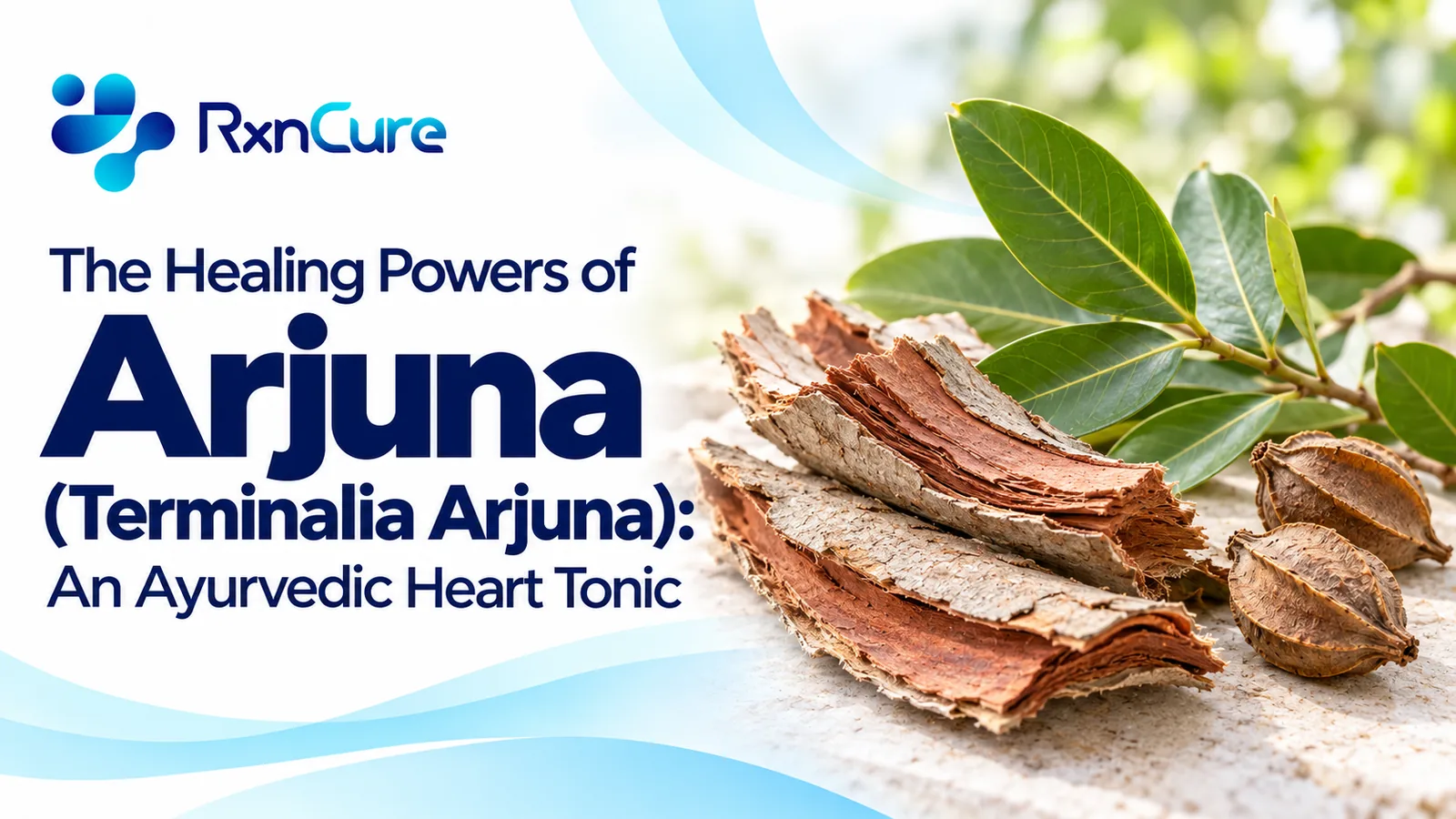
The Healing Powers of Arjuna (Terminalia Arjuna): An Ayurvedic Heart Tonic
Introduction:
Embark on an exploration of Arjuna, also known as Terminalia Arjuna, a revered herb in Ayurveda, predominantly known for its profound heart-healing properties. This article will illuminate the various aspects of Arjuna, celebrating its significance in traditional and modern medicine.
Arjuna's Storied Place in Ayurvedic Tradition:
Ancient roots in Ayurvedic texts as a cardiac tonic
Traditional uses in heart health and circulatory support
Botanical Insights into Arjuna:
Scientific Name: Terminalia Arjuna
Family: Combretaceae
Description: A large, evergreen tree with white to pinkish flowers, native to India
Traditional methods of harvesting and processing
Health Benefits of Arjuna: A Cardiac Ally:
Strengthens and tones heart muscles
Regulates blood pressure and cholesterol levels
Enhances circulatory health
Offers antioxidant properties for overall heart health
Incorporating Arjuna into Ayurvedic Remedies:
Commonly consumed as a decoction, powder, or capsule
Part of traditional formulations for heart ailments
Dosage guidelines and potential combinations with other heart-friendly herbs
Arjuna in Modern Cardiovascular Care:
Recognized in contemporary medicine for heart health benefits
Studies supporting its role in managing cardiac disorders
Increasing use in natural supplements for cardiovascular wellness
Frequently Asked Questions About Arjuna:
How does Arjuna benefit heart health?
Answer: Arjuna is known for its cardioprotective properties. It strengthens the heart muscles, regulates blood pressure, and helps in controlling cholesterol levels. Its antioxidant properties also contribute to overall heart health and protection against oxidative stress.
Can Arjuna be used to treat heart conditions?
Answer: Arjuna has been traditionally used in Ayurveda to treat various heart conditions. However, it should not replace conventional medical treatment but rather be used as a complementary therapy. Always consult with a healthcare provider before using it for specific heart conditions.
Is Arjuna safe for long-term use?
Answer: Generally, Arjuna is considered safe for long-term use when taken in recommended doses. However, it's always advisable to consult with an Ayurvedic practitioner or healthcare provider for guidance tailored to individual health needs.
Are there any side effects of using Arjuna?
Answer: Arjuna is well-tolerated by most individuals. However, some people may experience mild side effects like gastric discomfort. If you notice any adverse reactions, it's best to stop use and consult a healthcare professional.
Can Arjuna interact with other medications?
Answer: As with many herbal supplements, Arjuna can interact with certain medications, particularly those related to heart diseases and blood pressure. It's important to discuss with your doctor if you are on any medication before starting Arjuna.
How should Arjuna be taken for maximum effectiveness?
Answer: Arjuna can be taken in various forms, such as capsules, powder, or decoction. The form and dosage depend on individual health goals and conditions. An Ayurvedic practitioner can provide the best advice on how to incorporate Arjuna effectively into your health regimen.
Conclusion:
Arjuna, with its exceptional heart-supporting qualities, stands as a testament to the time-honored wisdom of Ayurveda. Its integration into both traditional and modern medicinal practices highlights its enduring therapeutic value.
References:
“Ayurvedic Pharmacopoeia of India”
Dhawan, B. N., & Dhawan, S. (2002). "Effect of Terminalia Arjuna on Cardiovascular Health"
- Arjuna
- Terminalia Arjuna
- Ayurvedic medicine
- heart tonic
- cardiovascular health
- natural remedies
- herbal medicine
- heart health