
Understanding Pruritus: A Comprehensive Guide
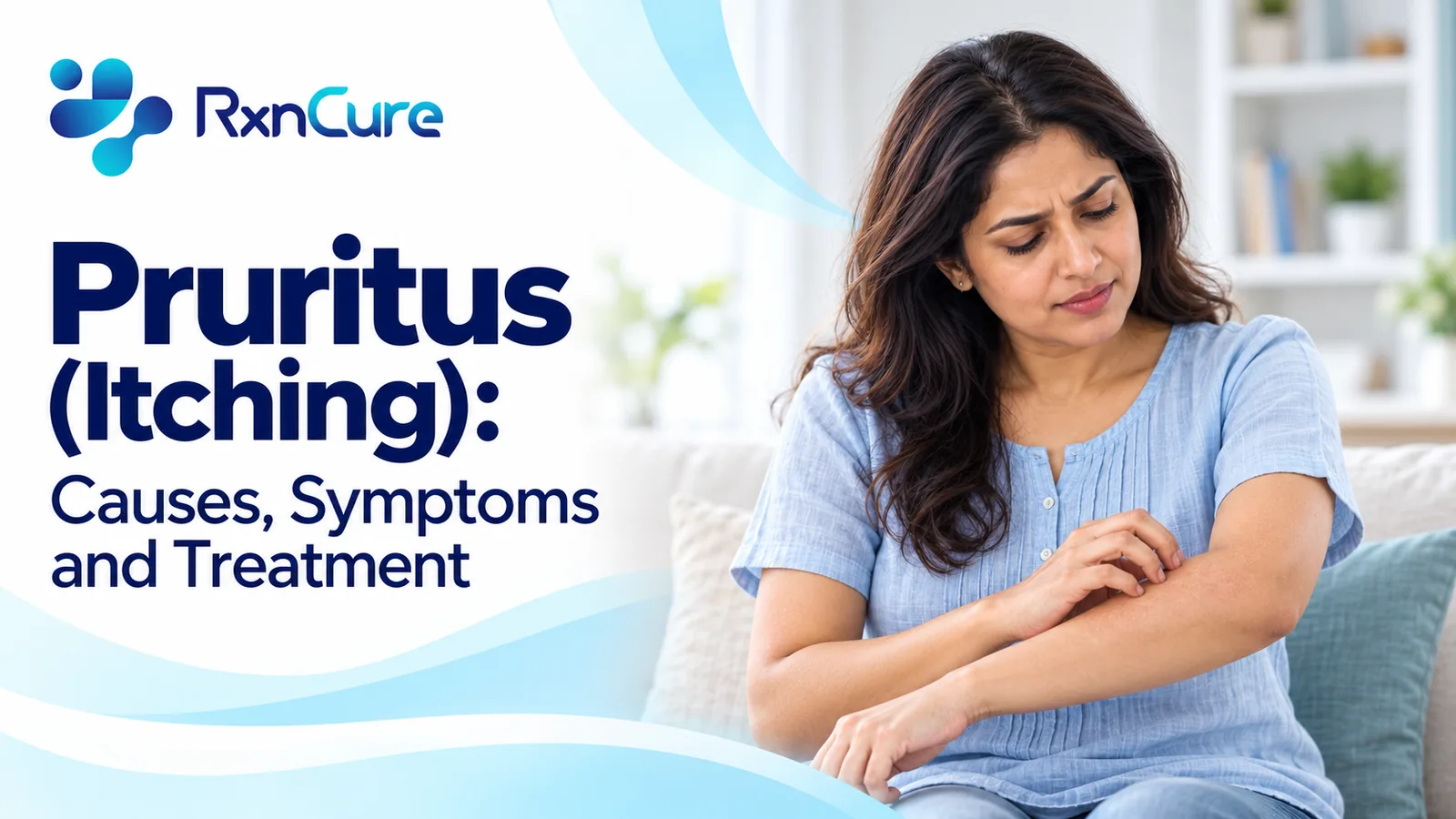
An occasional itch is common. However, itching that keeps returning, interrupts sleep or leads to repeated scratching deserves attention.
Pruritus is the medical term for itching. It can affect one small area or occur across much of the body, with or without a visible rash. Dry skin and irritation are common explanations, but persistent itching can sometimes reflect another health condition.
Understanding the cause is the first step towards choosing appropriate treatment. The same cream or tablet will not work for every type of itch.
What Is Pruritus?
Pruritus is an uncomfortable skin sensation that creates an urge to scratch. It is a symptom rather than a single disease.
It may be:
Localised: affecting a particular area, such as the scalp, hands or legs.
Generalised: affecting much of the body.
Short-lived: occurring temporarily after irritation or an insect bite.
Chronic: lasting longer than six weeks.
You do not need to wait six weeks to seek help. Severe, unexplained or disruptive itching should be assessed sooner.
What Causes Itchy Skin?
Dry Skin
Dry skin is a common cause of itching, particularly in older adults. The skin may feel tight, rough or flaky, although the changes can sometimes be subtle.
Hot water, harsh cleansing products and frequent washing can make dryness and irritation worse.
Eczema, Psoriasis and Other Skin Conditions
Inflammatory skin conditions can cause itching alongside patches of dry, thickened or irritated skin. Effective relief usually requires treatment of the underlying condition.
Contact Irritation or Allergy
Soaps, fragrances, detergents, cosmetics and other substances can irritate the skin or trigger an allergic reaction.
A recent product change may provide a useful clue, but appearance alone does not always reveal the cause.
Hives
Hives are raised, itchy swellings that can appear suddenly. Individual swellings may disappear while new ones develop elsewhere.
Insect Bites, Infections and Infestations
Insect bites, fungal infections and scabies can all cause itching. They require different approaches, so identifying the cause matters.
Itching Without a Rash: What Could It Mean?
An itch can occur even when the skin initially looks normal. Dryness is a common explanation, but other possibilities include:
A reaction to a medicine.
Iron deficiency.
Kidney or liver disease.
Other medical conditions requiring assessment.
This does not mean that unexplained itching is necessarily a sign of serious disease. However, widespread or persistent itching without an obvious cause should be discussed with a doctor.
Scratching can create marks or skin changes later, even when there was no original rash.
Why Can Scratching Make Itching Worse?
Scratching may provide brief relief, but repeated scratching can damage the skin. This can increase irritation and create an itch–scratch cycle.
Over time, persistent scratching may cause broken skin, thickening, infection or scarring. The goal of treatment is to reduce the itch while addressing its cause and protecting the skin.
When Should You See a Doctor?
Arrange an appointment if itching:
Is severe or affects much of your body.
Interferes with sleep, work or daily activities.
Does not improve with gentle skin care.
Keeps returning.
Occurs with a new rash, lump or swelling.
Has no clear explanation.
Develops during pregnancy.
Tell your doctor about any accompanying symptoms, recent illnesses, new medicines or changes in skin-care products.
When Is It an Emergency?
Seek emergency medical help if itching or hives occur with sudden swelling of the lips, mouth, tongue or throat, difficulty breathing, fainting or collapse.
These can be signs of a serious allergic reaction. Do not rely on an antihistamine alone for breathing difficulties or throat swelling.
Itching During Pregnancy
Itching is common during pregnancy, but certain patterns need urgent assessment.
Contact your maternity team urgently if:
Itching is severe or keeps you awake.
Your palms or the soles of your feet are itchy.
Itching is worse at night.
These symptoms can occur with intrahepatic cholestasis of pregnancy, a liver condition that may cause itching without a rash. Assessment may include liver function and bile acid tests. Do not assume severe pregnancy-related itching is simply dry skin.
How Is Pruritus Diagnosed?
A doctor will usually begin by examining your skin and asking:
When did the itching start?
Which areas are affected?
Was there a rash before scratching began?
Is it worse at night or after a particular exposure?
Is anyone else at home itching?
Have you started a medicine, supplement or skin product?
Do you have other symptoms or existing medical conditions?
Tests are not necessary for every mild, clearly explained itch.
For persistent or unexplained symptoms, investigations may include blood counts, iron studies, kidney, liver or thyroid tests. Skin tests or other investigations may be recommended when the examination suggests a particular condition.
Safe Ways to Relieve Mild Itching
Use a Fragrance-Free Moisturiser
Apply an unperfumed moisturiser regularly, particularly if the skin is dry. Choose a formulation that feels comfortable and does not sting or worsen irritation.
Keep Baths and Showers Short
Use cool or lukewarm water rather than hot water. Avoid prolonged bathing and heavily perfumed cleansing products.
Apply a Cool Compress
A clean, cool, damp cloth can help soothe an itchy area. Avoid placing ice directly against the skin.
Reduce Friction and Irritation
Wear loose, comfortable clothing. Avoid fabrics or products that clearly aggravate your symptoms.
Protect the Skin From Scratching
Keep fingernails short and smooth. Try gently patting or pressing the area instead of scratching.
These measures may reduce discomfort, but persistent symptoms still need assessment.
Treatment Options for Pruritus
Moisturisers and Skin-Barrier Care
Regular emollient use can help when dryness contributes to itching. Some people need ongoing skin care rather than a short course of treatment.
Treatment for Inflammatory Skin Conditions
A clinician may prescribe an anti-inflammatory cream or another treatment for eczema or a related condition. The appropriate product depends on the diagnosis and the area being treated.
Antihistamines
Antihistamines can help with some causes of itching, particularly hives. They do not effectively treat every type of itch, including much of the itching associated with eczema.
Some cause drowsiness. Ask a doctor or pharmacist which option is appropriate, especially for children, older adults, pregnancy or people taking other medicines.
Treatment of an Underlying Cause
Fungal infections, scabies and internal medical conditions need cause-specific treatment. Persistent cases may require dermatology assessment and a tailored treatment plan.
If a medicine is suspected, discuss it with the prescriber rather than changing treatment independently.
Avoid Unsupervised Steroid-Combination Creams
Do not assume every itchy rash needs a steroid cream.
Steroids can worsen ringworm and alter its appearance, making diagnosis more difficult. Some combination creams contain an antifungal alongside a steroid, so checking the ingredients matters.
Seek advice before treating an uncertain, spreading or recurring rash, particularly if previous creams have provided only temporary relief.
Could Night-Time Itching Be Scabies?
Scabies is one possible cause of intense itching that is worse at night. Small bumps or burrows may appear, often around the finger spaces and wrists.
Tell your clinician if household members or close contacts are also itching. When scabies is diagnosed, household members and relevant close contacts generally need coordinated treatment, even if they do not yet have symptoms.
Night-time itching alone does not confirm scabies. Itching can also continue for several weeks after successful treatment, so follow-up advice is important before repeatedly applying medicines.
Frequently Asked Questions
Is Pruritus Contagious?
Itching itself is not contagious. Some causes, such as scabies or certain fungal infections, can spread between people. Dry skin and eczema are not contagious.
Does Itching Always Mean an Allergy?
No. Dryness, inflammatory skin disease, infections, medicines and some internal conditions can also cause itching.
Can Antihistamines Cure Every Type of Itch?
No. They are useful for certain conditions, particularly hives, but treatment should match the underlying cause.
Can Stress Affect Itching?
Stress can aggravate some itch problems, while persistent itching can itself affect mood and sleep. Physical symptoms still deserve assessment rather than being automatically attributed to stress.
Should I Get Blood Tests for Every Itch?
No. A brief itch with an obvious explanation may not require tests. Your doctor will decide based on its duration, distribution, skin findings and associated symptoms.
Can Itching Be Managed if No Cause Is Found?
Yes. Skin care and symptom-directed treatment may still help. Follow-up is important if symptoms persist, change or are accompanied by new concerns.
Preparing for Your Appointment
Bring a list of medicines, supplements and products used on the skin. Photographs can help if a rash comes and goes.
Make a note of possible triggers, the time symptoms are worst and whether other people are affected. This information can make the consultation more useful.
Medical Disclaimer
This article provides general health information and does not replace an individual medical consultation. Seek professional advice for persistent or severe itching, unexplained skin changes, or itching during pregnancy. Breathing difficulties or sudden throat or tongue swelling require emergency care.
References
British Association of Dermatologists — Pruritus (Itching)
NHS — Itchy Skin
American Academy of Dermatology — Reasons for Itchy Skin and How to Get Relief
Mayo Clinic — Itchy Skin: Symptoms and Causes
Mayo Clinic — Itchy Skin: Diagnosis and Treatment
NHS — Itching in Pregnancy
NHS — Scabies
CDC — Treatment of Ringworm
American Academy of Dermatology — Hives: Diagnosis and Treatment
American Academy of Dermatology — Eczema and Antihistamines
NHS — Anaphylaxis
- pruritus
- itching
- skin conditions
- allergies
- treatment for itching
- health guide
- dermatology